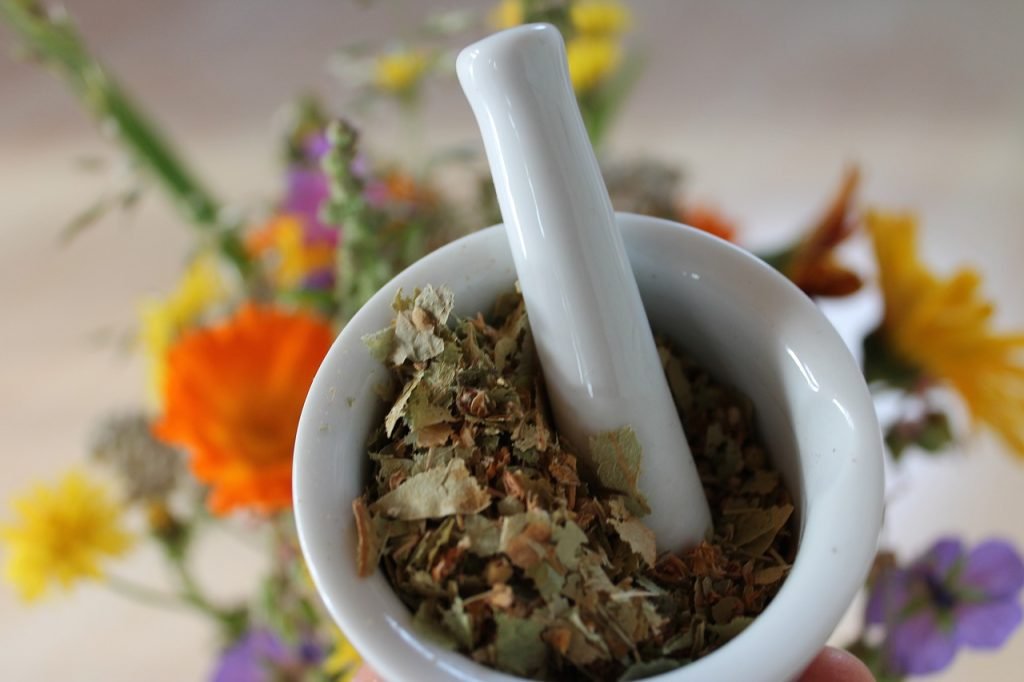
A Guide on Migraines and Migraine Treatment via Alternative Medicine
Migraines are severe headaches often accompanied by other symptoms such as nausea, sensitivity to light, and sound. While conventional medicine offers various treatments for migraines, some individuals explore alternative medicine approaches for relief. It’s essential to note that individual responses to alternative therapies can vary, and these approaches should be considered as complements, not replacements, to conventional medical care. Here’s a guide on migraines and alternative medicine treatments:
1. Identifying Triggers:
Keep a migraine diary to identify potential triggers, such as specific foods, stressors, or environmental factors. This information can guide both conventional and alternative treatment strategies.
2. Acupuncture:
How it Works: Acupuncture involves inserting thin needles into specific points on the body. It’s believed to help balance the flow of energy (Qi) in the body.
Research: Some studies suggest that acupuncture may reduce the frequency and intensity of migraines.
3. Herbal Remedies:
Butterbur: Butterbur, a plant extract, has shown promise in reducing the frequency of migraines.
Feverfew: Feverfew is an herb believed to have anti-inflammatory properties and may be considered for migraine prevention.
4. Supplements:
Magnesium: Some individuals with migraines may have low magnesium levels. Magnesium supplements may help reduce the frequency of attacks.
Coenzyme Q10: This antioxidant has been studied for its potential in reducing the frequency of migraines.
5. Mind-Body Practices:
Biofeedback: Biofeedback helps individuals gain control over physiological processes. It may be used to manage stress and tension, common migraine triggers.
Relaxation Techniques: Practices such as progressive muscle relaxation or guided imagery may help alleviate stress and tension.
6. Aromatherapy:
Lavender Oil: Inhalation of lavender essential oil may provide relaxation and help alleviate migraine symptoms.
Peppermint Oil: Peppermint oil applied topically or inhaled may have a soothing effect.
7. Dietary Considerations:
Avoid Trigger Foods: Identify and avoid potential trigger foods, which can vary among individuals.
Hydration: Dehydration can be a migraine trigger, so maintaining adequate hydration is important.
8. Chiropractic Care:
Spinal Manipulation: Chiropractic adjustments may help alleviate tension and reduce the frequency of migraines.
Neck Exercises: Some individuals find relief through neck exercises and stretches.
9. Mindfulness and Meditation:
Mindfulness-Based Stress Reduction (MBSR): MBSR techniques, including mindfulness meditation, may help manage stress and reduce the impact of migraines.
10. Consultation and Collaboration:
Healthcare Professional: Always consult with a healthcare professional before starting any alternative treatments.
Collaboration: Integrate alternative approaches with conventional care under the guidance of healthcare providers.
Important Note:
Before incorporating alternative medicine into your migraine management plan, consult with your healthcare provider. This is especially crucial if you are on prescription medications or have other health conditions. A collaborative approach that combines conventional and alternative strategies can offer a more comprehensive approach to migraine management.
A Guide on Migraines and Migraine Treatment via Alternative Medicine Read More »