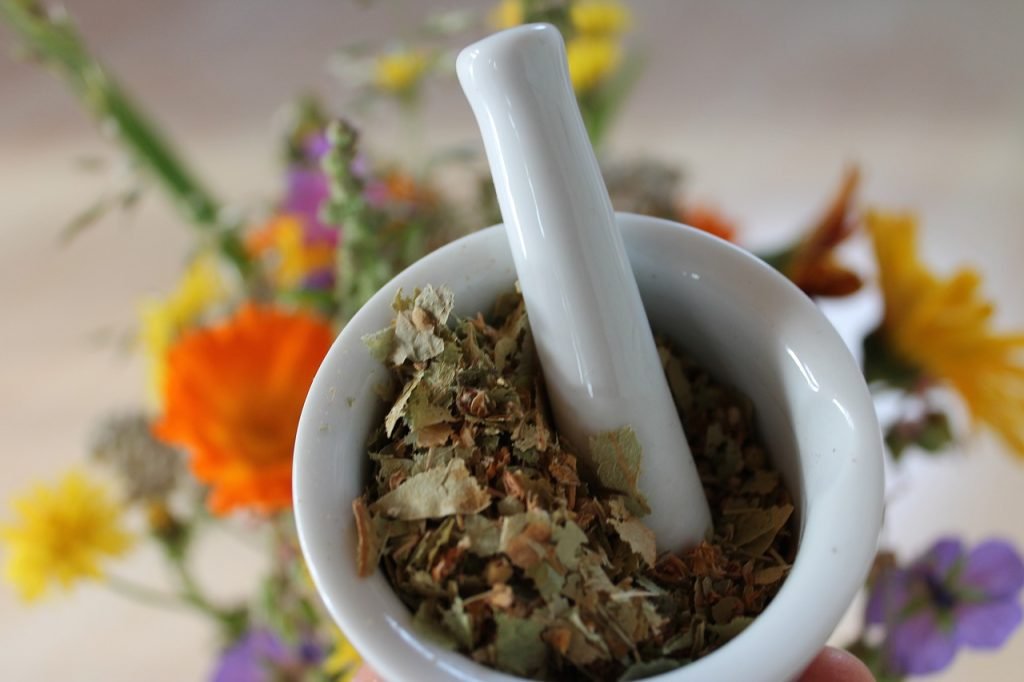
While many alternative medicine practices are generally considered safe, it’s important to recognize that, like any form of medical intervention, they can potentially have side effects or risks. Here are some considerations regarding the potential side effects of alternative medicine:
Herbal Supplements:
Interactions with Medications: Some herbal supplements can interact with prescription medications, affecting their efficacy or causing adverse reactions.
Allergic Reactions: Allergic reactions to herbs are possible, and individuals with known allergies or sensitivities should exercise caution.
Acupuncture:
Bruising or Soreness: After acupuncture sessions, some individuals may experience bruising or soreness at the needle insertion sites.
Infection Risk: If not performed with sterile needles, there is a risk of infection.
Chiropractic Care:
Muscle Soreness: Following chiropractic adjustments, individuals may experience temporary muscle soreness.
Rare Complications: In rare cases, complications such as herniated discs or nerve compression have been reported.
Mind-Body Practices:
Emotional Release: Mind-body practices like meditation or certain forms of therapy can sometimes lead to emotional releases, which may be challenging for some individuals.
Psychological Impact: Individuals with certain mental health conditions should approach mind-body practices with care, as they may have psychological effects.
Homeopathy:
Possible Allergic Reactions: Some homeopathic remedies are derived from substances that can cause allergic reactions in sensitive individuals.
Delayed Treatment: Relying solely on homeopathy for serious or acute conditions may delay necessary conventional medical treatment.
Energy Healing:
Emotional Release: Practices like Reiki or energy healing may lead to emotional releases, and individuals may experience heightened emotional states.
Unsubstantiated Claims: Some energy healing practices make claims that are not supported by scientific evidence.
Ayurveda:
Herbal Interactions: In Ayurvedic medicine, herbs and formulations should be used with caution, as they may interact with medications or cause side effects.
Contamination Risk: Poor-quality Ayurvedic products may be contaminated with heavy metals or toxins.
It’s crucial for individuals to communicate openly with healthcare providers about any alternative treatments they are considering, especially if they are already receiving conventional medical care. Integrating alternative medicine into a healthcare plan should be done with careful consideration of potential interactions and risks. Consulting with a qualified healthcare professional can help individuals make informed decisions based on their specific health needs and conditions.