Alternative medicine, also known as complementary or integrative medicine, encompasses a broad range of healthcare practices, products, and therapies that fall outside the scope of conventional Western medicine. These approaches are often used as alternatives to, or in conjunction with, mainstream medical treatments. The term “alternative” reflects the fact that these practices exist as alternatives to conventional medical approaches.
Some common types of alternative medicine treatments include:
Herbal Medicine: The use of plants, herbs, and plant extracts to prevent, alleviate, or treat various health conditions.
Acupuncture: An ancient Chinese practice involving the insertion of thin needles into specific points on the body to stimulate energy flow and promote balance.
Chiropractic Care: Manipulation of the spine and musculoskeletal system to alleviate pain and improve overall health.
Homeopathy: Treatment based on the principle of “like cures like,” where highly diluted substances are used to stimulate the body’s natural healing processes.
Ayurveda: An ancient Indian system of medicine that emphasizes balance in bodily systems through practices such as herbal medicine, dietary guidelines, and lifestyle modifications.
Naturopathy: A holistic approach to healthcare that focuses on natural remedies, lifestyle changes, and the body’s inherent ability to heal.
Traditional Chinese Medicine (TCM): An ancient system that includes practices such as acupuncture, herbal medicine, massage (Tui Na), and dietary therapy.
Mind-Body Practices: Techniques that emphasize the connection between mental and physical well-being, including meditation, yoga, tai chi, and biofeedback.
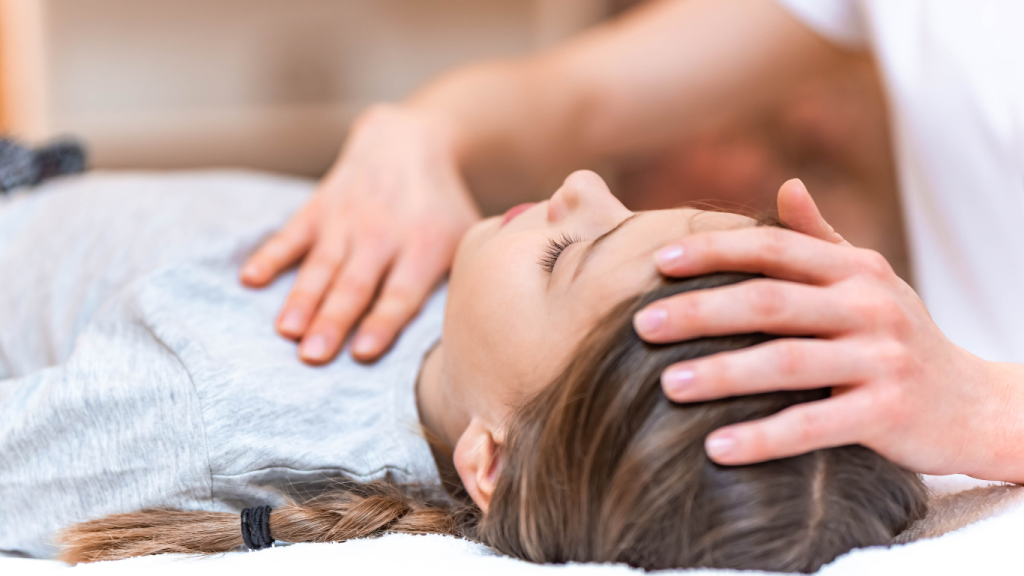
Energy Therapies: Modalities that work with the body’s energy fields, such as Reiki, therapeutic touch, and energy healing.
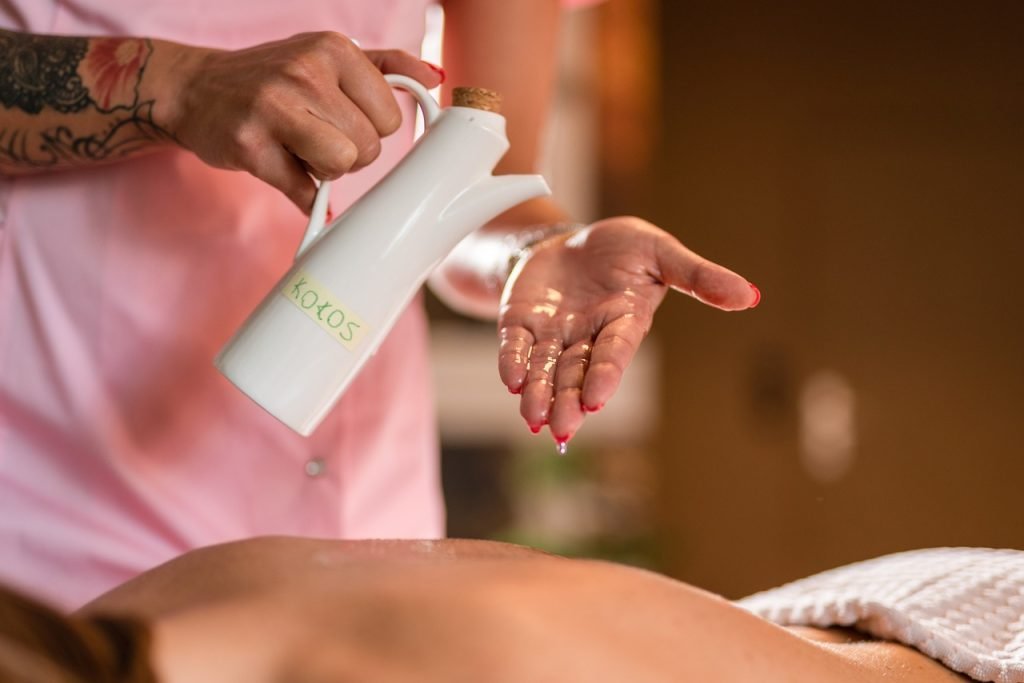
Massage Therapy: Manual manipulation of soft tissues to enhance relaxation, reduce stress, and promote overall well-being.
It’s important to note that while many people find relief and benefit from alternative medicine practices, scientific evidence for the effectiveness of some treatments may vary. In some cases, alternative therapies are used alongside conventional medical treatments as part of a holistic and integrative approach to healthcare. Before incorporating alternative medicine into your healthcare routine, it’s advisable to consult with qualified healthcare professionals to ensure safety and effectiveness, particularly if you have pre-existing health conditions or are taking medications.